
Unpaid rent is one of the most frustrating, and potentially costly, problems landlords face. In Washington State, handling this issue requires a careful understanding of lease terms, legal timelines, and tenant rights. Moving too slowly can cost you money. Moving incorrectly can get your case thrown out.
Whether it’s a first-time miss or a repeat offender, having a clear process can protect your income and your rental property.
Double Check Lease Terms and Grace Periods
The first step is reviewing the lease agreement. In most cases, rent is due on the first of the month. Some landlords allow a short grace period, usually 3 to 5 days, but it must be clearly written in the lease.
Washington law limits late fees. They generally can’t exceed 8% of the monthly rent, though this cap can vary slightly by city. If your lease says otherwise, you could be on the wrong side of the law.
Always confirm:
-
The rent due date
-
Grace period length
-
Late fee amount and whether it’s legally compliant
Start with a Friendly Reminder
If rent is late, don’t jump to formal action just yet. Mistakes happen. A simple call, text, or email might resolve the issue quickly.

Friendly rent reminder text can prevent late payments before they escalate.
Late payments could be due to:
-
Forgotten checks
-
Bank transfer delays
-
Miscommunication
Keeping the tone friendly and professional helps preserve the tenant relationship, especially if it’s the first time.
That said, if late rent becomes a pattern, it’s important to document everything and escalate the issue promptly.
Confirm Nonpayment Before Taking Action
Before you issue any legal notice, double-check your records.

Double-check rent payments through bank records and digital portals.
Look into:
-
Your bank deposits
-
Online rent portals
-
Any pending or reversed transactions
Once you’re certain the rent hasn’t been paid, it’s time to move into the formal process.
In Washington, security deposit laws are also an essential part of handling tenancy issues.
Send a Legal Notice with Full Documentation
Washington landlords are required to provide written notice of overdue rent before beginning eviction. This notice must include:
-
The total amount due
-
Any late fees (if applicable)
-
A deadline for payment
Every communication with the tenant, including texts, emails, and notices, should be recorded. Proper documentation is your best protection if the situation leads to court.
Many owners accidentally delay legal action or send improper notices, which can create serious legal and financial setbacks. Mistakes landlords make that cost them money
Issue a 14-Day Pay or Vacate Notice
If rent remains unpaid after a friendly reminder and written notice, Washington law mandates that you serve a 14-Day Pay or Vacate Notice. This is a formal, legal document.
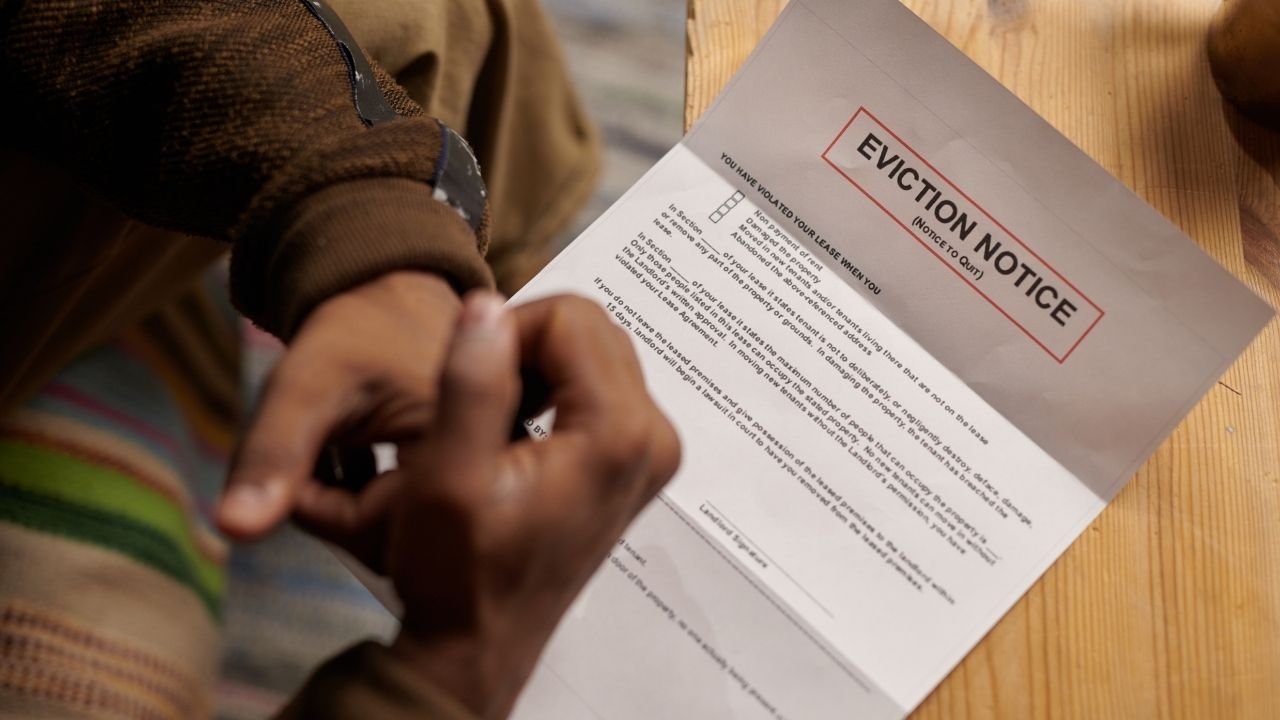
Formal eviction notices must be accurate and legally delivered.
It tells the tenant they must either:
-
Pay the full amount owed, or
-
Move out within 14 days
The notice must be served properly, either by:
-
Hand-delivering to the tenant or someone of suitable age
-
Posting it clearly at the property and mailing it
Mistakes in service could invalidate your eviction case. Timing and delivery must be precise.
File for Eviction if Payment Isn’t Made
f the 14-day notice period passes without full payment or the tenant moving out, it’s time to initiate formal eviction proceedings. This step is legally necessary to regain possession of the property and recover unpaid rent. Waiting too long can result in ongoing income loss and further complications.
At this stage, it’s important to ensure all parties listed on the lease, including co-signers or guarantors, are included in the legal filings. Overlooking this detail could make enforcement difficult later on.
Eviction for nonpayment of rent is a direct response to lease violations. Landlords must follow all procedures carefully to avoid dismissal of the case.
The legal process of filing an eviction follows a defined path, from initial filing through judgment and possible physical eviction.
Consider Hiring a Property Management Company
Navigating Washington’s landlord-tenant laws can feel like a legal maze. From screening tenants to handling evictions, many landlords choose to delegate these responsibilities to a property management company.

Property managers help landlords stay compliant and protect their investments.
Professionals help by:
-
Enforcing lease terms
-
Issuing notices correctly
-
Managing timelines
-
Keeping your property cash-flowing
The best way to avoid rent issues is to screen tenants properly from the start.
Key Takeaways
-
Always review your lease terms and legal grace periods
-
Late fees must comply with Washington’s 8% cap
-
A friendly reminder may resolve the issue quickly
-
Confirm rent is truly unpaid before sending notices
-
Document all communications for legal protection
-
Serve a 14-Day Pay or Vacate Notice following legal procedures
-
Include co-signers in notices and legal action
-
Consider hiring a property manager or attorney to ensure compliance
Final Thoughts
Unpaid rent situations are never easy, but Washington law gives landlords a clear path forward, as long as every step is followed correctly. From documentation to proper notice delivery, success lies in the details.
When in doubt, partnering with a knowledgeable professional can protect your property and your income while keeping you in compliance with local and state laws.
Legal Disclaimer
This blog post is intended for general informational purposes only and does not constitute legal advice. Laws and regulations can change, and their application may vary based on specific circumstances. Landlords and property owners are encouraged to consult with a qualified attorney or licensed professional for advice specific to their situation and jurisdiction.