
Key Takeaways
- Focus on high-impact areas: Upgrades to kitchens, bathrooms, flooring, and paint deliver the biggest returns by improving tenant appeal and perceived value.
- Prioritize durability and practicality: Choose materials and finishes that withstand wear and reduce long-term maintenance costs.
- Enhance appeal inside and out: Curb appeal, modern layouts, and added amenities (like laundry or AC) help attract better tenants and reduce vacancies.
- Be strategic with spending: Avoid over-improving; balance cost with expected rental returns, and repair when possible instead of replacing.
Renovating a rental property is one of the smartest ways to protect and grow your investment. The right upgrades can attract better tenants, reduce vacancy time, improve rental value, and lower maintenance costs over the long term.
Not every renovation needs to be expensive to make an impact. The most effective improvements are those that increase function, durability, and appeal while staying practical for a rental setting. Choosing renovations wisely helps landlords maximize return without overspending.
At Gregory Property Management, we’ve listed the ten best renovations to consider for your rental property.
Get in Touch with Our Experts!
1. Upgrade the Kitchen
The kitchen is one of the first areas renters evaluate, and even modest upgrades can make a big difference in how the property is perceived.
Replacing outdated or mismatched appliances with coordinated modern models creates a cleaner and more cohesive look. Stainless steel finishes are especially popular because they appear updated and are easy to maintain.

Cabinets can often be refreshed instead of replaced. Sanding, repainting, and adding new hardware can transform older cabinetry at a fraction of the cost. Countertops are another high-impact improvement. Durable materials that resist scratches, stains, and heat tend to perform well in rental properties.
2. Remodel the Bathroom
Bathrooms play a major role in rental appeal because renters pay close attention to cleanliness, functionality, and modern design in these spaces.
Replacing old fixtures such as faucets, showerheads, mirrors, and cabinet hardware can quickly improve appearance. If needed, replacing worn toilets or outdated vanities also helps modernize the room.
In smaller bathrooms, maximizing storage makes a big difference. Shelving, wall-mounted storage, and space-saving doors can improve usability. If your budget allows, converting outdated tubs into walk-in showers may increase both convenience and visual appeal.
3. Improve Curb Appeal
The exterior of your property creates the first impression, and curb appeal strongly influences whether potential renters are excited to view the inside.
Simple exterior improvements such as repainting the front door, trimming shrubs, planting fresh greenery, and cleaning walkways can dramatically improve appearance. Repainting faded siding or refreshing exterior trim also gives the property a cleaner and more cared-for look.
Outdoor spaces should look inviting but remain low-maintenance. Renters appreciate attractive landscaping that does not require extensive upkeep.
4. Replace Old Flooring
Flooring has a major effect on both aesthetics and durability. Worn carpet, stained surfaces, or outdated flooring can make an otherwise good property feel neglected.
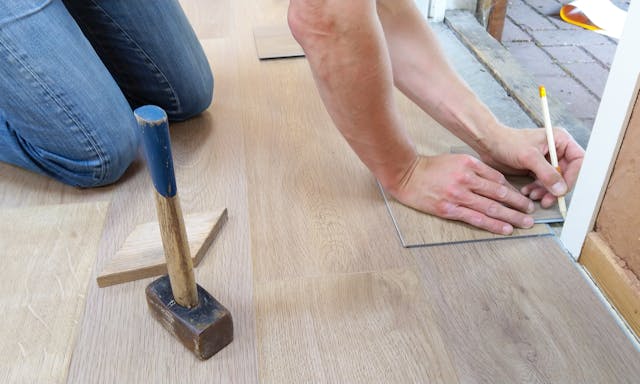
Many landlords now replace carpet with engineered hardwood, laminate, vinyl plank, or tile. These materials are easier to clean, last longer, and better withstand repeated tenant turnover.
Durable flooring also reduces long-term replacement frequency, making it a smart financial investment.
5. Refresh Paint and Small Fixtures
Fresh paint is one of the most affordable renovations with one of the highest returns. Neutral colors create a clean, bright atmosphere and appeal to a wider range of renters.
Beyond walls, updating light fixtures, cabinet handles, door knobs, blinds, and outlet covers can modernize the entire property quickly. These smaller changes may seem minor, but together they create a more polished appearance.
6. Create a More Open Layout
Open floor plans remain highly desirable because they make spaces feel larger, brighter, and more functional.
If the layout allows, removing non-load-bearing walls can improve flow between kitchens, dining areas, and living spaces. Even widening doorways or opening sight lines between rooms can create a more spacious feeling.
Get a Free Rental Analysis!
7. Add In-Demand Amenities
Amenities can make your rental stand out in a competitive market and justify increased rental rates.
Popular upgrades include:
- Dishwashers
- In-unit washer and dryer
- Central air conditioning
- Outdoor patios or balconies
- Fenced yards for pets
- Additional storage space
Renters often prioritize convenience, and these features can directly influence leasing decisions.
8. Improve Energy Efficiency
Energy-efficient upgrades benefit both landlords and renters. Lower utility costs appeal to tenants, while efficient systems reduce long-term wear and operating expenses.

Consider installing energy-efficient windows, LED lighting, programmable thermostats, and upgraded insulation. Replacing old appliances with efficient models can also improve performance while reducing monthly costs.
9. Repair Before Replacing
Not every upgrade requires full replacement. In many cases, repairing existing materials saves money while still improving the property.
Cabinets, doors, trim, and fixtures can often be restored rather than discarded. Refinishing surfaces instead of replacing them reduces renovation costs and creates less waste. This approach is especially valuable when working within a tight renovation budget.
10. Upgrade Outdoor Living Spaces
Outdoor space has become increasingly important to renters. Even small patios, balconies, or backyard areas can add value.
Adding seating areas, resurfacing patios, installing fencing, or improving lighting can make exterior spaces more usable and attractive. If the property includes a yard, creating a clean and functional outdoor area can appeal strongly to renters with pets or families. Well-designed outdoor spaces increase livability and enhance overall property appeal.
Common Renovation Mistakes to Avoid
Even beneficial renovations can lose value if handled poorly.
- Over-improving beyond neighborhood expectations can make it difficult to recover costs. High-end finishes may not generate enough rental increase to justify the expense.
- Choosing style over durability is another common mistake. Materials in rental properties must withstand repeated use and tenant turnover.
- Skipping repairs before cosmetic upgrades can create bigger problems later. Structural or system issues should always be handled before appearance-related improvements.

Consider the renovations that are happening in nearby properties, and don’t take on more than is reasonable. Start with small adjustments and see how that impacts your property.
Bottom Line
The best rental property renovations are those that balance cost, durability, and tenant appeal. Strategic upgrades to kitchens, bathrooms, flooring, and amenities can increase rental income, reduce vacancy, and strengthen your investment over time.
If you want expert guidance on improving your rental property, Gregory Property Management can help you identify the right renovations and keep your investment performing at its best.