

Deciding whether to allow pets in a rental property can have a bigger impact than many landlords expect. A pet-friendly policy may help your Bothell rental appeal to more qualified applicants and reduce vacancy, but it can also introduce concerns about property damage, noise, cleaning, and fair housing compliance.
At Gregory Property Management, we regularly help rental owners balance tenant demand with the need to protect their investment. The right answer is not always simply “pets allowed” or “no pets.” A well-designed policy considers the property, the applicant, the animal, and the legal requirements that apply in Washington.
Key Takeaways
- Worried about vacancy? Allowing pets can significantly expand the number of renters who may consider your property.
- Concerned about damage? Clear pet criteria, screening, documentation, and inspections can help reduce unnecessary risk.
- Want longer-term tenants? Pet owners may have additional motivation to renew when they find a rental that works for their household.
- Confused about assistance animals? Fair housing rules treat qualifying assistance animals differently from ordinary household pets.
- Unsure whether pets make sense for your property? Consider the property’s flooring, yard, layout, insurance requirements, and expected tenant demand.
The Biggest Advantage: A Larger Pool of Renters
One of the strongest reasons to consider pets is simple: a large percentage of potential renters own them.
Pet ownership is common across the United States, with approximately 66% of U.S. households owning a pet(opens in new tab).
For a Bothell landlord, automatically excluding every renter with a pet can therefore eliminate a substantial portion of the available tenant pool.
A larger applicant pool does not mean lowering your standards. Income requirements, rental history, credit standards, and other screening criteria should remain consistent. Instead, a pet-friendly policy gives you an opportunity to consider more applicants and select a strong tenant who also happens to own an animal.
Effective rental applicant screening becomes especially important when evaluating both the tenant and the pet.
Pet-Friendly Rentals May Reduce Vacancy
Vacancy is one of the most expensive problems rental property owners face. Every additional week a home remains empty represents rental income that cannot be recovered.
If comparable rental homes in Bothell have restrictive pet policies, accepting qualified tenants with approved pets can help your property compete for a larger group of renters.
The goal should not be to accept every animal. Owners can establish reasonable written pet criteria based on factors such as:
- Number of pets
- Animal type
- Age
- Property suitability
- Required tenant responsibilities
- Applicable insurance restrictions
Having the rules established before marketing the property also creates a more consistent leasing process.
Pet Owners Can Become Long-Term Tenants
Finding another high-quality rental that accepts pets can be challenging for tenants. Once pet owners find a home that fits their needs, they may have another reason to stay.
Longer tenancies can benefit landlords by reducing advertising expenses, leasing work, vacancy periods, cleaning costs, and turnover-related maintenance.
Pet policies should therefore be viewed as part of a larger retention strategy. Other steps for attracting and retaining long-term tenants remain equally important, including responsive maintenance, clear communication, and a well-maintained property.
The Downside: Pets Can Cause Additional Damage
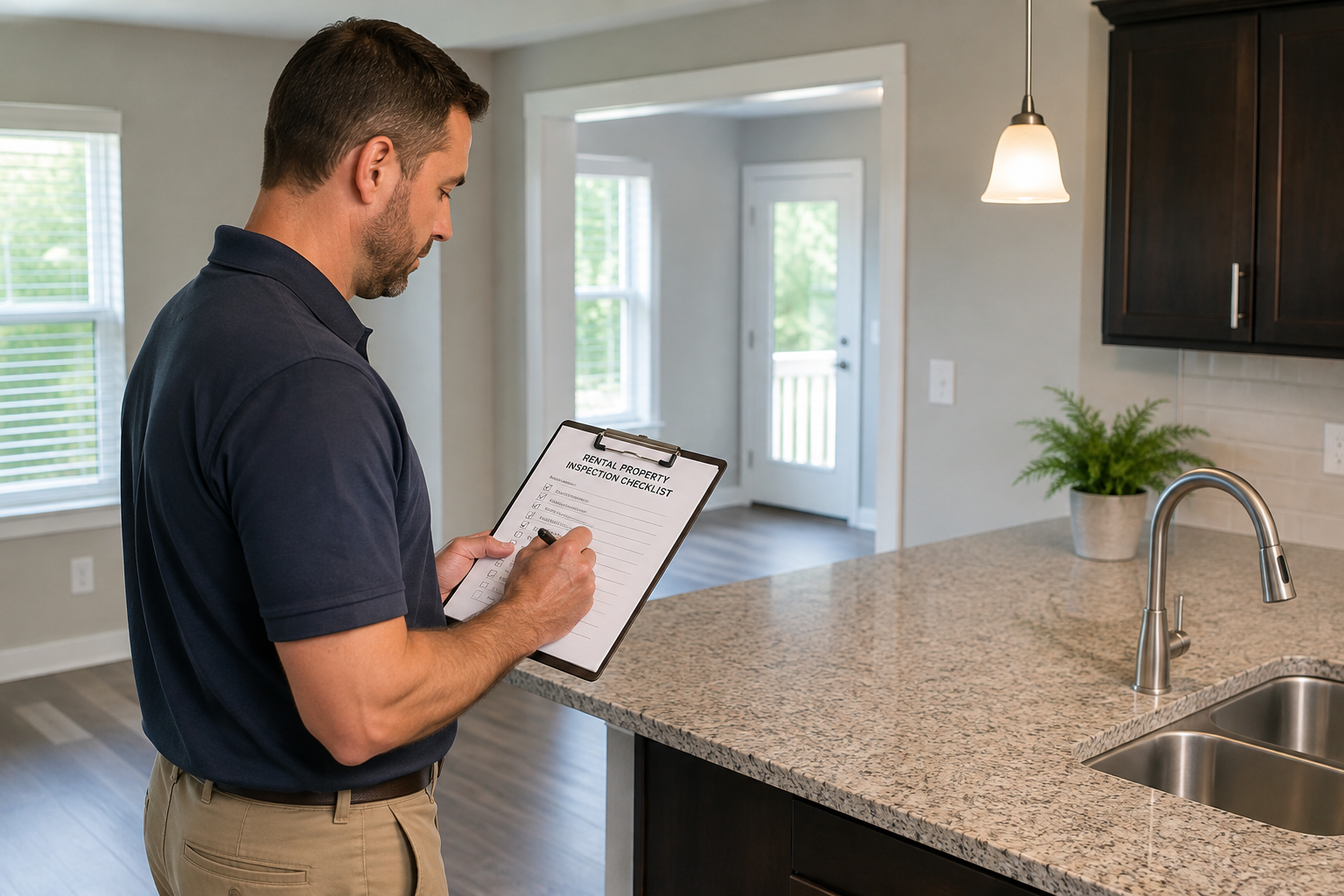
There is no way around it. Animals can create additional wear and tear.
Potential problems include:
- Scratched doors, trim, or flooring
- Carpet stains
- Odors
- Yard damage
- Fleas or other pest concerns
- Damage to blinds or screens
- Additional cleaning at turnover
That does not mean significant pet damage is inevitable. It means landlords need a process for identifying existing conditions, documenting the property, enforcing lease responsibilities, and inspecting the rental when appropriate.
A detailed move-in condition report with photographs can be particularly useful if damage needs to be evaluated at the end of the tenancy.
Regular rental property inspections can also help identify small maintenance or property-condition issues before they become larger problems.
Pet Screening Adds Another Layer of Work
Allowing pets also creates additional administrative responsibility.
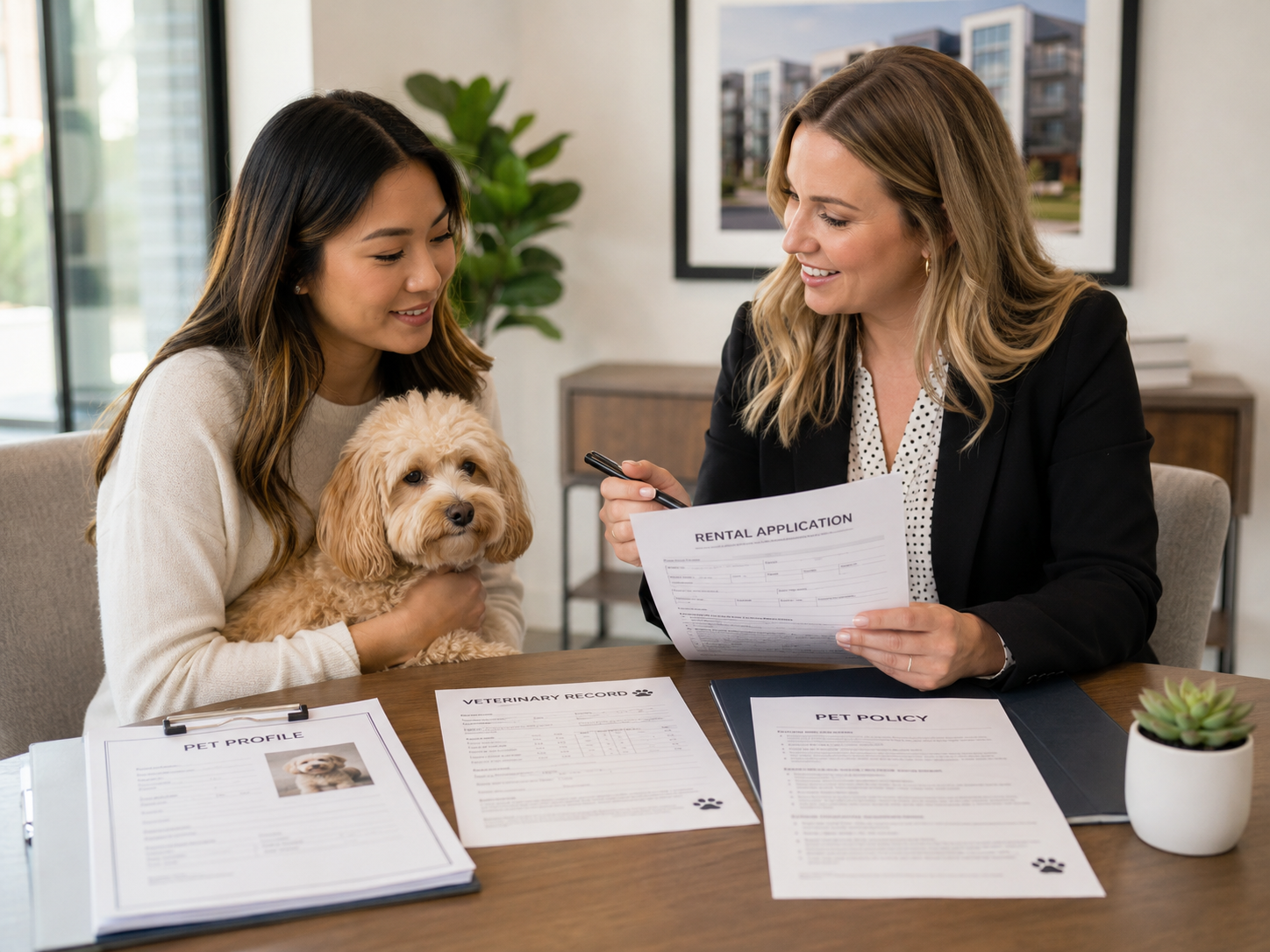
Before approving an animal, landlords may need to collect information about the pet, confirm applicable requirements, document the approval, prepare lease language, and communicate the tenant’s responsibilities.
Clear written expectations matter. Tenants should understand requirements surrounding cleanliness, waste disposal, damage, noise, control of the animal, and other property-specific rules.
Consistency is especially important. Creating a process before applications arrive helps landlords avoid making rushed or inconsistent decisions.
Assistance Animals Are Not the Same as Pets
This is where landlords need to be particularly careful.
A standard household pet and a qualifying assistance animal are not treated the same under federal fair housing requirements. An assistance animal may perform tasks or provide disability-related emotional support, and qualifying tenants can request an exception to normal pet restrictions as a reasonable accommodation.
Housing providers should understand the federal requirements for assistance animals in housing(opens in new tab) before denying an animal simply because the property has a no-pet policy.
Washington also has protections involving disability discrimination and service animals in real estate transactions. State rules specifically address situations involving no-pet policies and pet deposits for protected service animals. Landlords can review the Washington rules governing disability discrimination(opens in new tab) in real estate transactions when developing their policies.
This is one reason landlords should avoid treating every animal-related request exactly the same. A normal pet application and a disability-related accommodation request may require different procedures.
Creating a Pet Policy That Protects the Property
For landlords who decide to accept pets, the strongest approach is usually a structured one.
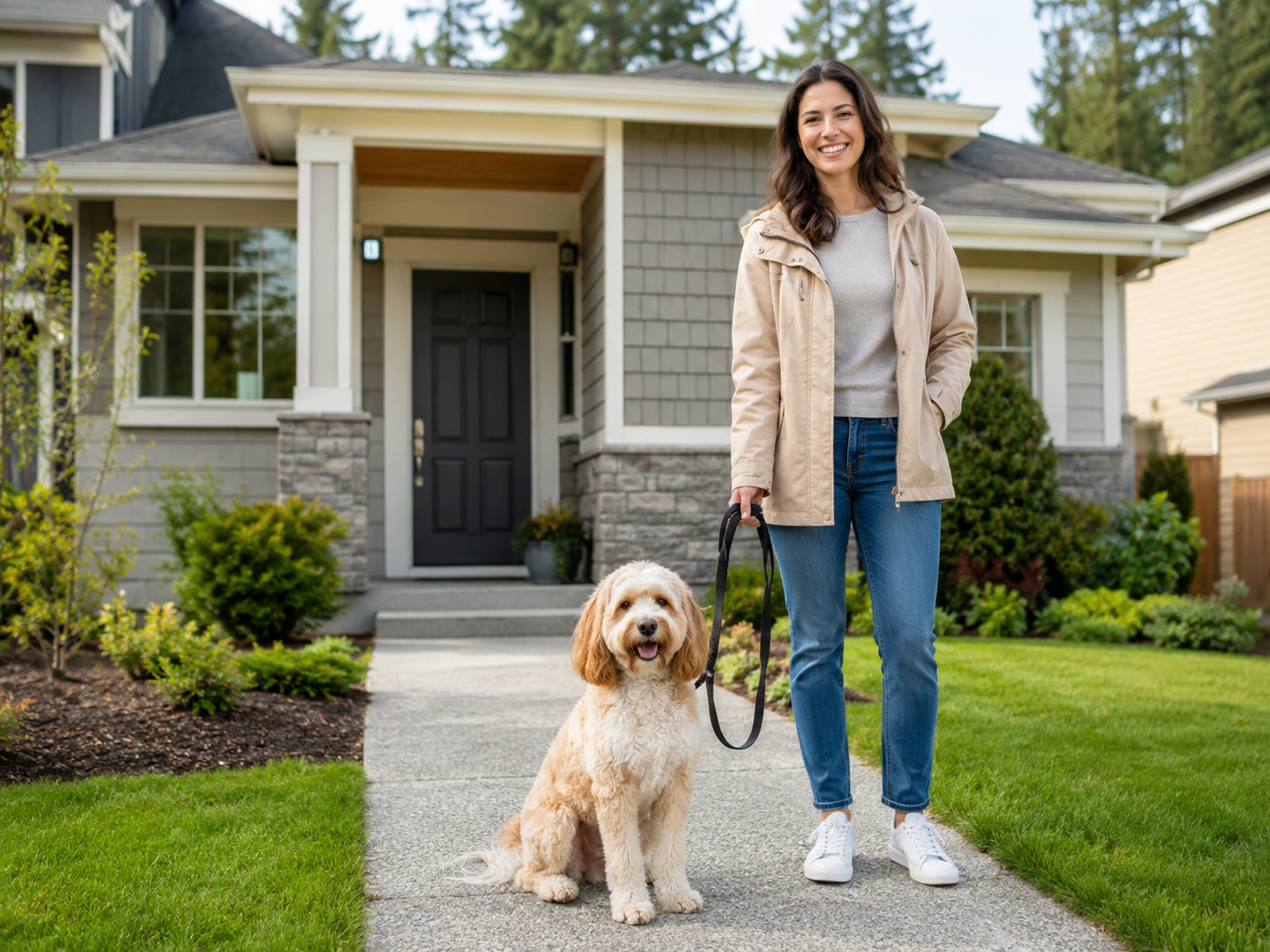
Start by considering the property itself. Durable flooring, fenced outdoor space, property layout, neighboring units, and insurance requirements may all influence what makes sense.
Then establish written standards and consistently follow them.
Your policy should clearly address approved animals, tenant responsibilities, property care expectations, and what happens if the animal causes damage or creates ongoing lease violations.
Gregory Property Management takes this process further by handling tenant and pet screening, documenting pet requirements, and managing ongoing lease compliance. For approved pets placed through our process, owners also receive an additional $1,500 in pet damage protection under our pet protection guarantee.
Final Thoughts
Allowing pets in a Bothell rental property can create real advantages, including a larger renter pool, potentially shorter vacancies, and opportunities for longer tenancies. It also requires thoughtful screening, clear policies, careful documentation, and an understanding of fair housing requirements.
There is no single pet policy that works for every rental property. Gregory Property Management helps owners evaluate these decisions based on the property, the tenant, current regulations, and the owner’s long-term investment goals.