Key Takeaways
- Properly preparing a rental property—through inspections, repairs, and cleaning—is essential to attract reliable tenants and maximize rental value.
- Understanding and complying with local landlord-tenant laws helps protect your investment and avoid costly legal issues.
- Strategic upgrades and professional support (like insurance or property management) can streamline leasing and increase long-term profitability.
Investing in a rental property is one of the best decisions one can make! Property values tend to appreciate over time, meaning that your wealth and equity will grow year over year.
Moreover, the passive income you’ll earn every month can help you cover any debts you might have, supplement your income, or save for future investments. All in all, a rental property can be the key to financial independence.
However, getting a property leased is not an easy feat. Many investors, particularly first-time landlords, think that simply listing their property online will suffice. But that’s not enough. If you lease your property as is, chances are you won’t attract many renters. That’s why experienced investors spend plenty of time getting their properties ready to rent.
Want to learn more? Then keep reading! In this guide, the experts at Gregory Property Management will go over the best strategies for getting a property ready for tenants. Let’s dive in!
1. Familiarize Yourself With the Local Rental Laws
Rental properties are heavily regulated. Noncompliance with the law can have serious consequences, ranging from small fees and bad word-of-mouth to major legal disputes. That’s why first-time investors should take the time to research the local landlord-tenant laws before even listing their properties for rent.
If you’re thinking of buying a rental property in the state of Washington, here are some key laws to keep in mind:
- Building, Health, and Safety Codes: Your property needs to meet the basic requirements. Typically, this means that the unit is clean, structurally sound, and has basic safety features, such as sturdy locks, smoke and CO2 detectors. However, it’s important to double-check, as requirements can vary widely from one ordinance to another.
- Renters’ Right to Repairs: One of your main responsibilities as a landlord is making repairs. In Washington, landlords are required to address life-threatening repairs(opens in new tab) within 24 hours. On the other hand, non-emergency repairs should be made within 20 days. Failing to make repairs on time can lead tenants to break their lease agreement early. So, it’s best to tackle issues as soon as possible.
- The Fair Housing Act: Fair housing laws prevent landlords from turning down tenants based on discriminatory criteria, such as their race, country of origin, gender, or disabilities. The state of Washington adds further protections, including marital status, sexual orientation, gender identity, age, participation in a Section 8 program, and military status. Failing to comply with fair housing laws can have serious consequences.
- Privacy Laws: As a landlord, you’ll be dealing with key applicant information, including addresses, credit reports, background checks, and pay stubs. You must handle and store all this information appropriately to avoid breaching privacy laws.

2. Inspect the Property
To get your property ready to rent, you need to assess its condition. A comprehensive property inspection will help you identify needed repairs, minor cosmetic or maintenance issues, and other areas for opportunity. After the inspection, you’ll have a clear idea of what needs to be fixed or upgraded before listing the unit.
3. Check for Pests
No tenant wants to live in a property that has rats, insects, or other pests. Not only are pests major health hazards, but they also make a property automatically seem like it’s been neglected.
While inspecting your property, make sure to keep an eye out for signs of pests. If you want to be extra sure that your rental is pest-free, consider investing in preventive pest control services!
4. Make Repairs
After the inspection(opens in new tab), you’ll have a list of issues you need to address. Strategically, it’s best to start with the bigger issues. These will often be more expensive and will take longer to resolve, so tackling them early on ensures repairs are made timely and that your budget suffices. Then, you can take on the smaller problems, from leaky faucets to chipped walls.
5. Clean the Property
Even if your rental is in top shape, no tenant will want to rent it if it’s messy or dirty. To tenants, an unkempt rental is a sign of a neglectful or lazy landlord, a thing most tenants try to avoid. If you don’t want tenants to think badly of you, then you need to make sure your rental is clean and up to their standards.
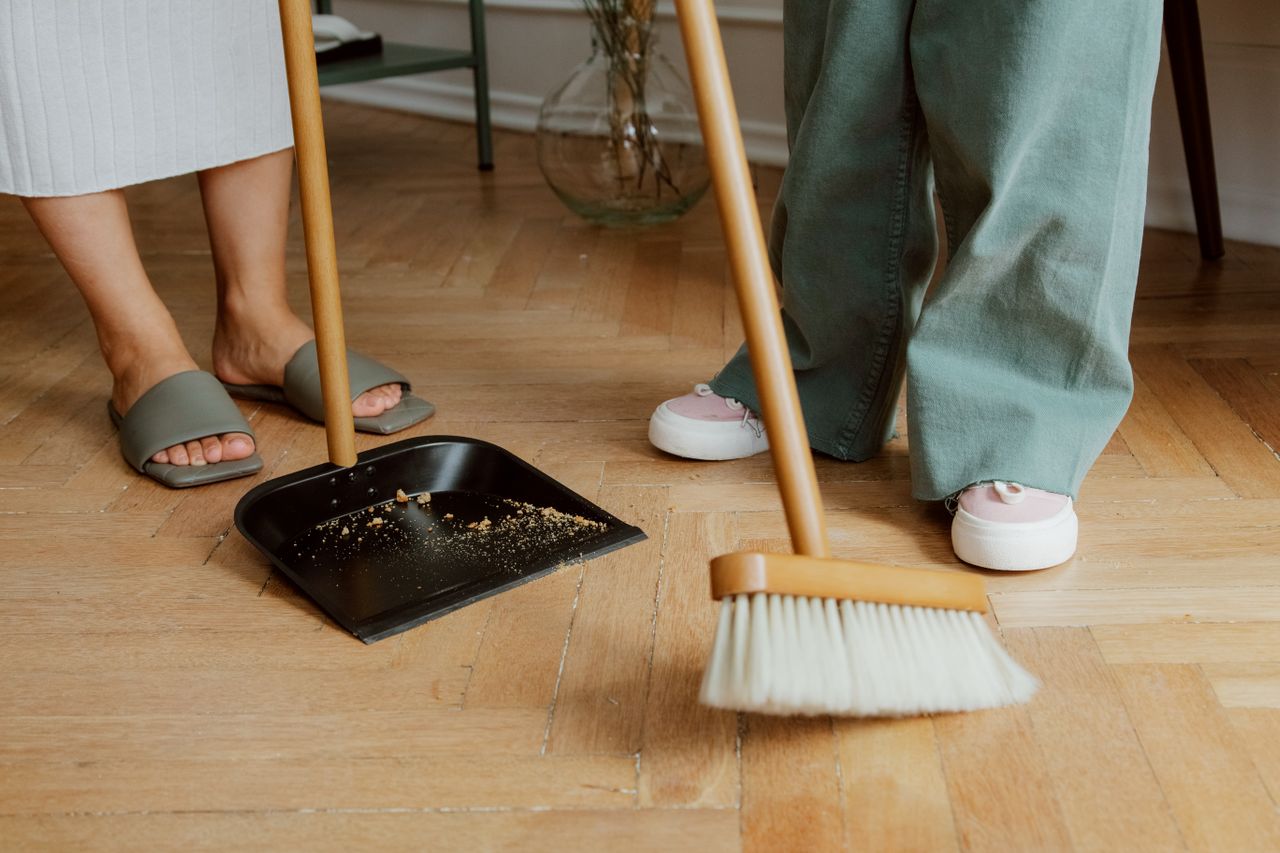
Deep cleaning the unit can be time-consuming, but it’ll pay off. If you’re doing it yourself, make sure to pay attention to the areas that don’t get cleaned too often, such as cupboards, shelves, window sills, and other nooks and crannies.
If you don’t have time to deep clean the unit, consider hiring a professional cleaning company to do it for you. A clean rental will show tenants you’re a professional and dedicated landlord.
6. Invest in Upgrades
Tenants expect your rental to be cleaned and in good condition. The tips above will help you ensure your property meets tenants’ minimum requirements. If you truly want to wow them, then you should consider investing in upgrades.
Small things, such as adding new fixtures, replacing old appliances, painting the walls, or installing some smart home features across the unit, can make the property more attractive to tenants.
Additionally, bigger upgrades, such as finishing the basement, installing a new HVAC system, or renovating the kitchen, can give your property a much-needed competitive boost.
7. Get Landlords’ Insurance
There’s plenty that can go wrong when renting out a property. For instance, tenants could damage the unit (whether consciously or unconsciously), someone could break in, or a fire could break out.
Unfortunately, these are the normal risks associated with owning a property. While you cannot always prevent them, you can minimize the damage they cause with the right insurance(opens in new tab).
Landlords’ insurance is a great investment for property investors. It’s a lot like property insurance, with the added benefit of covering tenant-caused damages and, in some cases, missed rent payments. With the right coverage, you’ll be able to rest easy knowing that your property is protected from most eventualities.
8. Hire a Property Manager
Getting a property ready for tenants can be a time-consuming process. If you want to streamline the leasing process and start collecting rent payments faster, you should consider partnering with a property manager.
A company like Gregory Property Management will help you prepare your rental and enhance it to attract more renters. Additionally, we can help advertise your rental, screen tenants, and collect rent payments so you can sit back and relax while your investment pays off.
Bottom Line
Purchasing a rental property can be a life-changing decision. When done correctly, a rental property can supplement your income, fund other investments, and help you build a clear path toward financial independence.
It all starts by getting your property ready for tenants. By following the tips outlined above, you’ll be able to turn your investment into a profitable rental property. If you’re looking for a trusted property manager to help you, contact Gregory Property Management!