Key Takeaways
- A clear lease agreement protects both landlords and residents by outlining expectations, responsibilities, and legal rights from the start of the tenancy.
- Important lease sections include rent policies, security deposits, maintenance responsibilities, and occupancy rules, all of which help prevent misunderstandings.
- A well-organized and detailed lease makes enforcement easier and helps maintain a smooth, professional landlord-resident relationship.
A lease agreement is the foundation of a successful rental arrangement. It outlines the expectations of both the property owner and the resident, establishes legal protections, and provides a framework for handling issues during the tenancy.
Without a well-written lease, misunderstandings about rent payments, property maintenance, or occupancy rules can quickly turn into disputes.
To learn more about how to create a solid lease agreement for your rental property, keep on reading this guide by Gregory Property Management!
Identify the Parties and the Rental Property
Every lease agreement should begin by clearly identifying all parties involved. This includes the landlord or property owner as well as every adult resident who will live in the rental property.
The lease should also include the full address of the property, including any applicable unit or apartment number. Clearly defining the property ensures that there is no confusion about which residence the agreement applies to.
Listing all adult occupants on the lease is especially important. When every resident signs the agreement, they become legally responsible for following the terms of the lease. This makes enforcing the contract significantly easier if issues arise during the tenancy.
Define the Lease Term
A lease agreement must clearly specify how long the tenancy will last. This section should include the start date and end date of the lease.
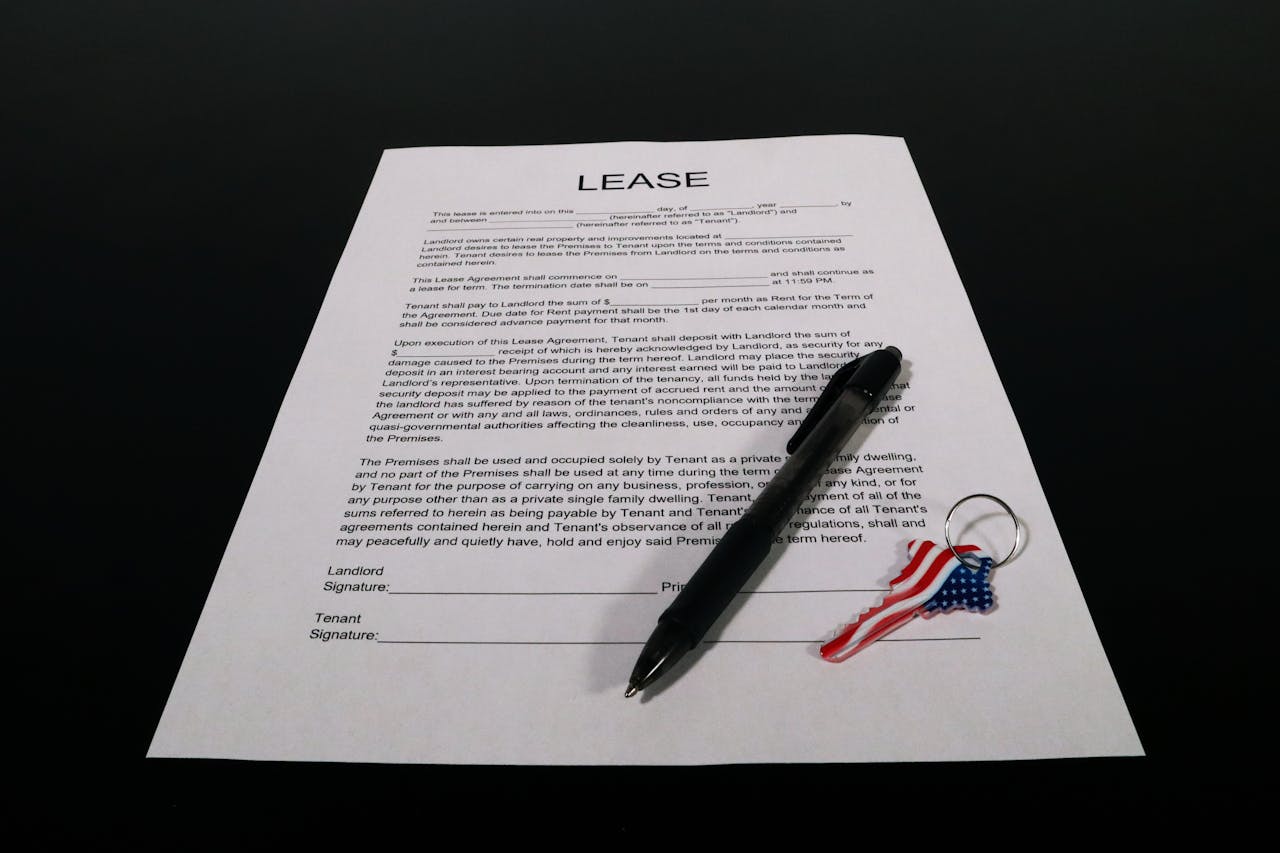
It should also explain what happens when the lease term expires. Some leases automatically transition to a month-to-month agreement, while others require residents to sign a renewal contract if they wish to continue living in the property.
Your lease should also outline the required notice period for terminating then lease agreement. Residents should know how much notice must be given before moving out, and property owners should understand the timeline for ending a lease if necessary. Clearly defining these terms helps avoid confusion when the lease period ends.
Outline Rent Payment Policies
Rent payment details should be clearly explained in the lease agreement. This section should include the monthly rent amount and the exact due date each- month.
You should also describe the acceptable methods of payment and explain how rent should be submitted. Providing clear instructions on how rent is paid helps prevent delays and misunderstandings.
Late payment policies should also be included. The lease should clearly explain when rent is considered late and what late fees may apply. By outlining these policies from the beginning, property owners create transparency and set clear expectations for residents.
Include Security Deposit Terms
Security deposits are used to protect property owners if residents cause damage or fail to meet their financial obligations under the lease.
The lease should clearly state the amount of the security deposit and explain the circumstances under which deductions may be made. Common reasons for deductions include unpaid rent, damage beyond normal wear and tear, and cleaning costs required after move-out.

It is also important to explain how and when the security deposit will be returned once the resident vacates the property. Providing a clear timeline and outlining the move-out inspection process can help reduce disputes at the end of the tenancy. Clear deposit policies make the process more transparent and fair for both parties.
Establish Maintenance Responsibilities
Maintenance responsibilities should be clearly divided between the landlord and the resident. A lease agreement should explain what types of repairs are handled by the property owner and what responsibilities fall to the resident.
Property owners are typically responsible for maintaining the structure of the home and ensuring that major systems such as plumbing, heating, and electrical components remain in working condition. Residents are generally expected to maintain cleanliness within the unit, dispose of garbage properly, and avoid actions that could damage the property.
Including clear procedures for submitting maintenance requests can also improve communication. Residents should know how to report maintenance issues and what steps will be taken to resolve them.
Explain Entry and Inspection Rights
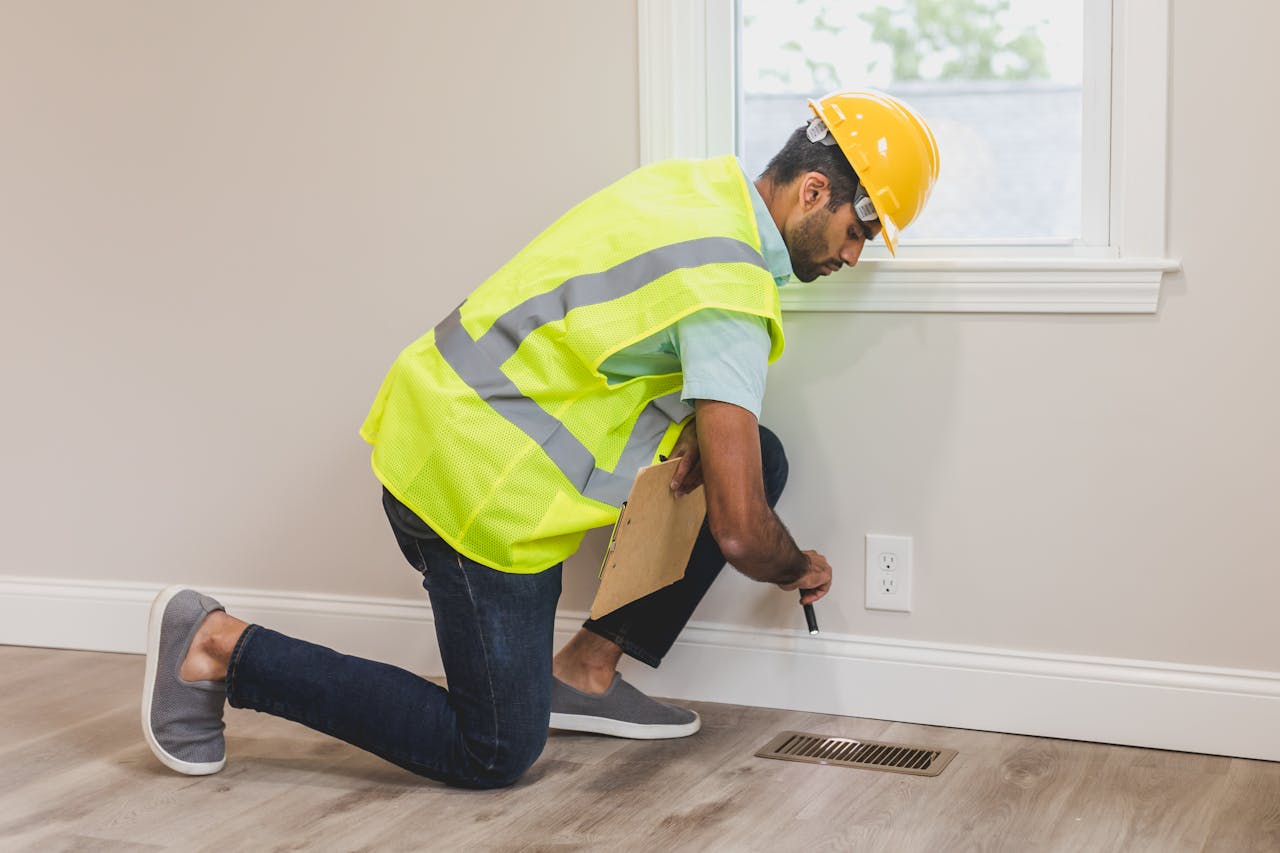
There are situations where the property owner or property manager may need to enter the rental unit. This may include performing repairs, conducting inspections, or showing the property to prospective residents.
The lease agreement should explain the circumstances under which entry may occur and how notice will be provided before entering the property. Providing advance notice respects resident privacy while allowing necessary maintenance and inspections to be carried out.
Clearly defining entry procedures helps avoid misunderstandings and promotes a respectful landlord-resident relationship.
Set Occupancy Limits and Property Use Rules
To prevent overcrowding and improper use of the rental property, the lease should include clear guidelines about occupancy.
The agreement should specify the maximum number of occupants allowed and clarify that the property is intended for residential use only. If applicable, the lease should also outline any restrictions on operating businesses from the property.
These provisions help maintain the condition of the rental property and ensure that it is used as intended. Clearly defined occupancy rules also help property owners remain compliant with housing regulations.
Include Pet Policies
If pets are allowed, the lease should clearly explain whether pets are permitted, outline any required deposits or additional fees, specify any breed or size restrictions if applicable, and define expectations for pet behavior while living in the property.
These rules help protect the rental property and reduce the likelihood of damage or disturbances. If pets are not permitted, the lease should clearly state that unauthorized pets are not allowed and that violating this rule constitutes a breach of the lease agreement. Clear pet policies help ensure consistent enforcement of property rules.
Address Property Alterations
Residents may sometimes wish to modify the property by painting walls, installing fixtures, or making other changes. Your lease should specify whether such alterations are allowed and whether written approval is required before making modifications.
Requiring written consent before alterations are made helps protect the property’s condition and prevents unauthorized changes that may be difficult to reverse. This clause ensures that any modifications remain consistent with the property owner’s expectations.
Explain Lease Violations and Enforcement
Every lease agreement should include a section explaining what happens if a resident violates the terms of the contract.
Examples of lease violations may include failing to pay rent, damaging the property, or breaking occupancy or pet rules. The lease should outline the steps that may be taken if such violations occur.
Clearly describing the consequences of violations helps ensure that residents understand the seriousness of the lease terms and encourages compliance. Having these procedures in writing also helps property owners enforce the lease consistently and fairly.
Keep the Lease Organized and Easy to Understand
While a lease agreement must be legally sound, it should also be easy to read. Clear language and organized sections make it easier for residents to understand their responsibilities.
Breaking the lease into clearly labeled sections allows both parties to quickly reference important topics such as rent payments, maintenance responsibilities, and property rules. A clear and structured lease agreement helps prevent misunderstandings and supports a smoother rental experience.
The Bottom Line
Creating a strong lease agreement is one of the most important steps in managing a rental property successfully. A well-written lease protects your investment, clarifies expectations for residents, and provides a clear framework for addressing issues during the tenancy.
Gregory Property Management provides experienced property management services designed to support rental property owners through every stage of the leasing process, helping ensure that lease agreements are structured clearly and implemented effectively.