

Key Takeaways
- Pet-friendly rentals can attract a larger pool of qualified applicants, helping reduce vacancy periods and improve occupancy rates.
- Clear pet policies, consistent screening, and transparent fees help protect your property while encouraging responsible pet ownership.
- Welcoming pets can lead to longer tenancies, lower turnover costs, and stronger landlord-tenant relationships over time.
When landlords think about pets, the first concerns are usually scratched floors, barking dogs, or extra cleaning after move-out. Those risks exist, but they tell only part of the story.
For many renters, a pet is not simply another possession. It is part of the household. Finding housing that welcomes animals can be surprisingly difficult, making pet-friendly rentals a valuable option in today’s market.
That dynamic can benefit property owners who establish clear expectations and manage pet-friendly rentals professionally.
Rather than viewing pets as a liability by default, landlords may find that accepting qualified pet owners contributes to stronger tenant relationships, lower turnover, and a more stable rental business.
Keep on reading this guide by Gregory Property Management to learn more about the benefits of renting to tenants with pets.
Housing Choices Are Limited for Pet Owners
Many rental advertisements still prohibit pets altogether or impose restrictions that eliminate a large number of applicants. As a result, renters with animals often spend more time searching for suitable housing.
Imagine someone relocating for work with a well-trained dog that has lived in rentals for years. They may qualify financially for several homes, but only one or two are willing to consider pets. Once they find a property that welcomes their dog, they are often motivated to take good care of it.
For landlords, meeting this demand can make a property more attractive without major renovations or expensive upgrades.’

Tenants Who Feel Welcome Often Stay Longer
Moving is inconvenient for anyone, but relocating with pets involves additional planning, transportation, paperwork, and adjustment for the animal.
Because pet-friendly housing can be difficult to secure, many residents are less eager to move once they find a rental that suits their needs.
Longer tenancies benefit owners in several ways. Fewer vacancies(opens in new tab) mean lower advertising costs, fewer turnover repairs, and less time spent preparing a unit for the next resident.
Even reducing turnover by one lease cycle over several years can save thousands of dollars in cleaning, painting, leasing commissions, and lost rent.
Of course, lease renewals depend on more than allowing pets. Fair treatment, responsive maintenance, and good communication remain essential. However, a welcoming pet policy can become another reason tenants choose to stay.
Pet Owners Often Value Stability
Pets generally thrive on routine. Owners know that repeated moves, unfamiliar surroundings, and changing daily schedules can be stressful for their animals. That awareness often encourages renters to seek stability rather than moving frequently in search of small savings elsewhere.
This doesn’t mean every pet owner becomes a model tenant, but many are looking for a long-term home instead of a temporary place to live.
That mindset can align well with landlords who prioritize consistent occupancy and predictable rental income.
A Thoughtful Policy Builds Confidence
Successful pet-friendly rentals rely on clear rules instead of informal agreements. The lease agreement should specify which pets are approved, whether additional animals require permission, responsibilities for waste removal, noise expectations, vaccination requirements, and how pet-related damage will be handled.
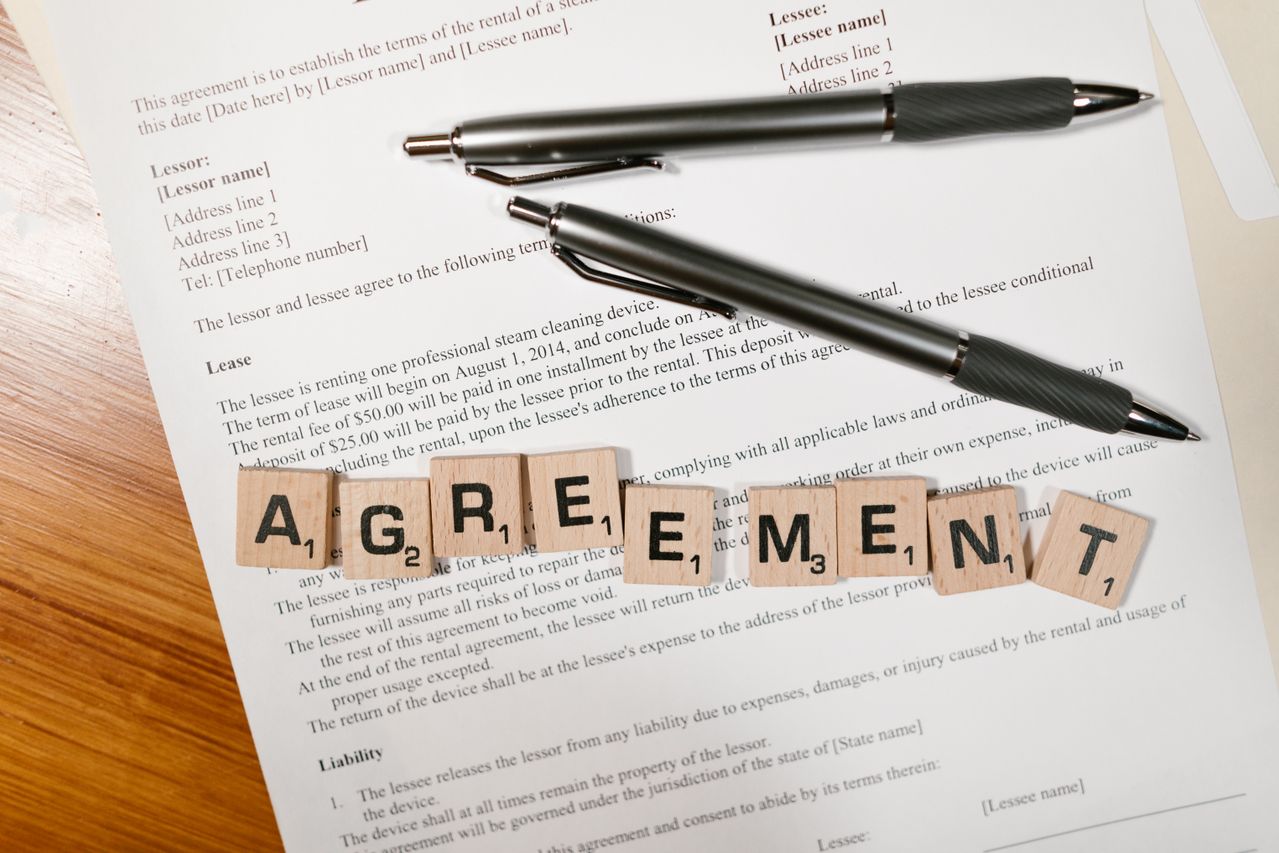
Having written standards benefits everyone involved. Tenants understand what is expected before signing the lease, while landlords have documented policies they can enforce consistently if problems arise.
Consistency also helps avoid accusations that one resident received more favorable treatment than another.
Screening Should Include the Animal
Approving a pet should involve more than asking whether the tenant owns one. Responsible screening considers both the applicant and the animal.
Previous landlord references, veterinary records, vaccination history, and basic information about the pet’s behavior can provide useful insight. Some owners also ask whether the animal has completed obedience training(opens in new tab) or has lived successfully in rental housing before.
The goal is not to exclude pets unnecessarily but to evaluate whether they are likely to be a good fit for the property.
A calm senior dog may present fewer management concerns than an unsupervised puppy, while an indoor cat may have different maintenance considerations altogether. Looking beyond breed or size alone often results in more balanced decisions.
Pet Fees Should Be Fair and Transparent
Allowing pets may involve additional maintenance costs. Depending on local law, landlords may choose to charge monthly pet rent, a refundable pet deposit, or a one-time pet fee.
Whatever approach is used, the charges should be explained before the lease is signed so tenants understand what they cover.
Clear pricing helps set expectations from the beginning. When pet-related charges are reasonable and consistently applied, tenants are less likely to view them as arbitrary.
Instead, they become part of a transparent rental policy that supports both responsible pet ownership and long-term property care.
Preparation Helps Reduce Common Concerns
Allowing pets does not mean ignoring potential risks. Instead, landlords can prepare their properties to handle normal wear more effectively.
Scratch-resistant flooring, durable landscaping, and routine property inspections all help protect the investment. Common-area waste stations, where appropriate, also encourage responsible cleanup.
Insurance should also be reviewed regularly to ensure adequate liability coverage based on the property’s pet policy. Taking preventive steps is often less expensive than responding to avoidable damage after it occurs.
A Positive Reputation Can Support Future Leasing
Renters frequently share recommendations with friends, coworkers, and family members. A property known for being professionally managed and genuinely pet-friendly(opens in new tab) may generate referrals from responsible tenants looking for similar housing.
That reputation can become especially valuable in competitive rental markets where applicants compare more than just monthly rent.
Being known as a landlord with fair policies, consistent standards, and reasonable accommodations can strengthen the property’s appeal over time.
The Bottom Line
Welcoming tenants with pets is not about accepting unnecessary risk. It is about recognizing changing renter preferences and managing those opportunities with thoughtful policies and consistent screening.
With clear lease terms, appropriate pet standards, and proactive property management, landlords can build stronger tenant relationships while protecting their investment.
A professional property management team can help establish pet policies, screen applicants, document lease compliance, coordinate inspections, and address concerns before they become costly problems.
Partner with Gregory Property Management to create a pet-friendly rental strategy that supports long-term success and keeps your investment performing at its best.
Frequently Asked Questions
How Does Allowing Pets Affect Tenant Retention?
Allowing pets may encourage longer tenancies because renters with animals often have fewer housing options and may prefer to remain in a home that accommodates their household.
While pet-friendly policies alone do not determine whether a tenant renews a lease, they can complement responsive property maintenance, fair communication, and consistent management practices. Property owners who create clear pet policies and provide a positive rental experience may find it easier to retain responsible tenants over multiple lease terms.
Can Allowing Pets Help Reduce Vacancy?
A pet-friendly rental may appeal to a broader group of prospective renters, particularly in markets where many properties prohibit animals. Expanding the applicant pool can increase interest in a listing, although vacancy rates still depend on factors such as pricing, property condition, location, and local market demand.
Landlords should balance the benefits of welcoming pets with appropriate lease terms, screening practices, and property protections to help support long-term success.
How Does A Pet-Friendly Policy Impact Tenant Placement?
A well-defined pet policy can make the leasing process more efficient by setting expectations before prospective tenants apply. Clearly outlining acceptable pets, applicable fees or deposits where permitted, and tenant responsibilities helps applicants determine whether the property is a good fit.
This transparency may reduce misunderstandings during leasing while helping landlords evaluate applications consistently. A thoughtful policy can also contribute to a smoother move-in experience for both owners and residents.
What Expectations Should Landlords Set With Tenants About Pets?
Landlords should communicate pet-related expectations in writing before the lease is signed. Common topics include waste disposal, noise, vaccination requirements where applicable, supervision of pets, reporting additional animals, and responsibility for pet-related damage.
Clearly documenting these expectations helps establish consistent standards throughout the tenancy and gives both parties a shared understanding of their responsibilities. Reviewing the policy during lease signing can also reduce confusion after move-in.
Should Landlords Require Renters Insurance For Pet Owners?
Many landlords choose to require renters insurance for all tenants, including those with pets, although requirements vary by property and local regulations. A renters insurance policy may provide liability coverage for certain incidents, depending on the policy’s terms and exclusions.
Property owners should review their own insurance coverage separately to understand how pets may affect liability or property protection. Insurance requirements should always be clearly explained in the lease and comply with applicable laws.
How Can Landlords Balance Property Protection With A Pet-Friendly Policy?
Protecting a rental property while welcoming pets often involves combining preventive measures with consistent management. Durable flooring, regular maintenance, documented move-in and move-out inspections, and clearly written lease terms can help reduce disputes over pet-related wear and damage.
Landlords should also review state and local regulations governing deposits, fees, and other pet-related charges before implementing a policy. A balanced approach allows owners to protect their investment while remaining attractive to responsible pet owners.