

Key Takeaways
- Compare move-in and move-out documentation before deciding whether a condition is normal wear and tear or tenant-caused damage.
- Consider the property’s age and the condition of individual materials rather than assuming every repair expense is chargeable to the tenant.
- Keep detailed photos, inspection records, repair estimates, invoices, and other documentation to support any security deposit deduction.
- Treat leaks, aging systems, and other maintenance issues separately from tenant damage so routine ownership costs are not incorrectly assigned.
- Use a consistent inspection and deposit process across your Bothell rental properties to make move-out decisions more objective and defensible.
Normal wear and tear is the ordinary deterioration a rental home experiences through reasonable, everyday use. It is different from damage caused by carelessness, misuse, or neglect, and that distinction matters when a tenant moves out.
For landlords in Bothell, getting the classification wrong can lead to an improper security deposit deduction, an avoidable dispute, or an expense that should have been treated as routine maintenance. Gregory Property Management put together this guide to help owners make that judgment consistently.
Separate Ordinary Aging From Tenant-Caused Damage
A useful test is to consider how the condition occurred. A carpet becoming worn in a frequently used hallway after several years is ordinary aging. A large bleach stain or burn is different because it resulted from misuse.
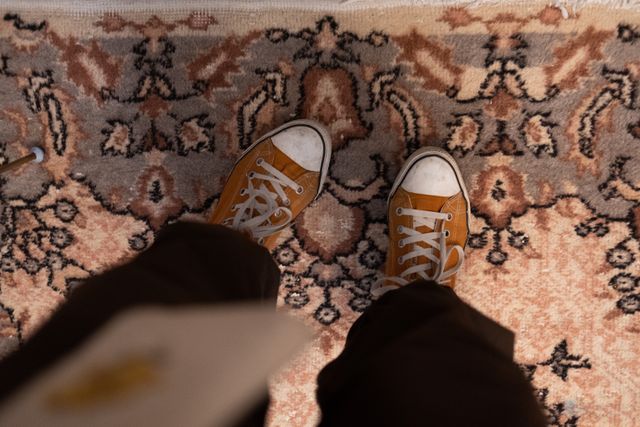
The same principle applies to walls and finishes. Minor scuffs, small nail holes, faded paint, and light marks from normal furniture use may fall within expected wear. A broken interior door, a large hole in drywall, or deep flooring gouges generally point toward damage.
Age also matters. A ten-year-old carpet should not be treated like a newly installed carpet(opens in new tab) simply because a tenant caused some additional deterioration. Evaluate the actual condition, documented starting condition, and reasonable restoration cost.
Document the Home Before the Tenant Moves In
A strong move-in record is one of the best tools for handling wear-and-tear questions. In Washington, landlords collecting a security deposit must provide a written condition checklist describing the property’s condition and existing damage. The checklist must be signed and dated by both parties, and the tenant receives a copy.
Do not rely on vague statements such as “good condition.” Record specific observations for flooring, walls, appliances, countertops, doors, windows, fixtures, and exterior areas. Dated photographs can provide useful supporting evidence.
This is especially practical in Bothell, where wet weather can affect entry areas, siding, and flooring. Documenting existing moisture-related staining or weathering can prevent an owner from later attributing pre-existing conditions to a tenant.
Know What Washington Allows You to Charge
Washington law specifically prohibits withholding a security deposit for wear resulting from ordinary use. If a landlord retains any portion of the deposit for damage, the landlord must provide a specific statement explaining the basis and required supporting documentation within 30 days after the tenancy ends and the property is vacated.

The state also limits deductions for partial damage. If only part of an item is damaged, the charge generally cannot exceed the reasonable cost of repairing or replacing that portion. Carpet cleaning has its own limitation and cannot be charged simply as routine cleaning.
These requirements make documentation more than an administrative detail. The landlord needs evidence connecting the condition to the tenant’s responsibility and supporting the amount charged.
Use Specific Examples During the Move-Out Inspection
Consider a tenant who lived in a Bothell home for four years. The living-room paint is slightly faded, the carpet shows traffic patterns, and several cabinet handles are loose. Those conditions may be consistent with normal use and age.
Now consider the same home with a bedroom door punched through, several deep floor gouges, a cracked bathroom mirror, and a pet-damaged section of carpet. Those conditions are materially different. They may support a charge if the lease, documentation, and applicable law allow it.
The move-out inspection should compare the home’s current condition with its documented starting point and identify restoration reasonably attributable to the tenancy.
Check Out Our Property Management Services!
Treat Maintenance Problems Separately
Not every problem discovered after a tenant leaves is tenant damage. A leaking supply line, failing roof component, aging appliance, deteriorated caulking, or plumbing failure may simply reflect the property’s maintenance needs.
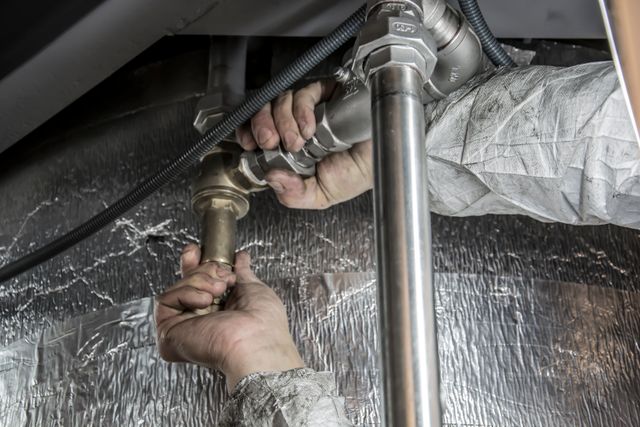
That distinction matters because routine ownership expenses should not be shifted to a tenant through an aggressive interpretation of wear and tear. In Washington, landlords have ongoing duties concerning maintenance and rental conditions, so an owner should assess the underlying cause before assigning responsibility.
For Bothell properties, seasonal moisture makes prompt attention to leaks, drainage, ventilation, and exterior deterioration sensible. A small maintenance issue can become a much larger repair if ignored.
Make Deposit Decisions Consistent and Defendable
A process is to compare the signed move-in documentation with the move-out condition, photograph relevant areas, obtain reasonable repair estimates or invoices when appropriate, and keep a clear record of how each charge was calculated.
Washington(opens in new tab) law requires supporting estimates or invoices for damage charges and has specific documentation requirements when the landlord or employees perform the work.
Similar conditions should be evaluated using the same standards from one tenancy to the next. If an issue is borderline, resist making a deduction simply because the repair is inconvenient or expensive.
Know When Professional Oversight Adds Value
Normal wear and tear sounds straightforward until several conditions overlap. A property may have aging flooring, a few tenant-caused stains, deferred maintenance, and incomplete move-in records at the same time. Sorting those issues requires judgment, documentation, and familiarity with Washington’s rental requirements.

For owners who manage properties from a distance or have multiple rentals, a consistent inspection and deposit process can reduce mistakes. Professional property management can provide an objective assessment when responsibility is unclear.
Bottom Line
Normal wear and tear is the expected decline that comes with ordinary occupancy. Tenant-caused damage is different, but the distinction should be based on evidence, condition, age, cause, and applicable Washington requirements.
For Bothell landlords, the practical approach is simple: document the property carefully, maintain it consistently, compare move-in and move-out conditions, and support every deposit decision with appropriate records. If you want a professional partner to handle these details with a disciplined process, contact Gregory Property Management to discuss your rental property.
Frequently Asked Questions About Normal Wear and Tear
How Should Landlords Document Damage Before A Tenant Moves In?
Washington landlords collecting a security deposit must provide a written condition checklist or statement that specifically documents the property’s condition, cleanliness, and existing damage, and the document must be signed and dated by both parties. The record should address areas such as walls, flooring, appliances, and fixtures rather than relying on broad descriptions.
Can A Landlord Charge For Replacing An Entire Item When Only Part Is Damaged?
Not necessarily. Washington law limits certain security deposit deductions to the reasonable cost of repairing or replacing the damaged portion when damage does not encompass the entire item. This makes it important to evaluate the actual scope of the problem instead of automatically replacing an otherwise serviceable item.
How Should Owners Handle Carpet Cleaning At Move-Out?
Carpet cleaning should be evaluated separately from ordinary wear and tear. Washington law generally does not allow a landlord to deduct for carpet cleaning unless the landlord documents wear to the carpet that goes beyond ordinary use.
That means an owner should document the carpet’s condition and distinguish routine aging or use from damage requiring additional cleaning or restoration.
What Should A Landlord Do If A Property Has Both Wear And Tenant-Caused Damage?
Separate the conditions rather than treating the entire turnover as tenant damage. Review the property’s documented starting condition, age, cause of each issue, and reasonable restoration needs individually. This approach can help an owner identify which expenses are routine maintenance and which may potentially qualify for a lawful deduction.
How Can Property Management Help Owners Evaluate Wear And Tear?
A property manager can help establish a consistent process for documenting property condition, identifying maintenance needs, and evaluating issues that arise during a tenancy or at turnover.
Gregory Property Management specializes in single-family rentals in King and Snohomish counties and performs recurring property inspections, with the first inspection listed as 90 days after move-in, followed by inspections every six months.