
Key Takeaways
- Clear lease agreements set expectations early, reducing misunderstandings and helping create a smoother landlord-tenant relationship.
- A detailed rental agreement protects your investment by outlining responsibilities, payment terms, maintenance procedures, and property rules.
- Keeping lease documents current with changing laws helps ensure compliance while minimizing legal risks for rental property owners.
A successful tenancy rarely depends on luck. More often, it starts with a conversation that eventually becomes a written agreement. When expectations are documented from the beginning, landlords spend less time resolving misunderstandings, and tenants know exactly what is expected throughout their stay.
That is why a rental agreement should do more than satisfy a legal requirement. It should answer the practical questions that arise during everyday living, from paying rent to requesting repairs and eventually moving out.
A well-prepared lease creates consistency, encourages communication, and helps both parties focus on maintaining a positive rental experience.
Keep on reading this guide by Gregory Property Management to learn more about what to include in a rental agreement.
Begin With the Basics, But Make Them Complete
Every agreement should clearly identify the rental property, the lease term, and everyone who is legally responsible for the tenancy.
Each adult resident should sign the agreement rather than relying on a single tenant to represent everyone living in the home. This creates shared responsibility if rent is unpaid or if the property is damaged during the lease.
It is equally important to establish occupancy guidelines. If someone wants to move in after the lease begins, there should be a process for obtaining approval rather than assuming additional occupants are automatically permitted. Simple details like these can prevent larger issues months later.
Remove Guesswork From Rent Payments
One of the easiest ways to avoid unnecessary conflict is to make payment expectations straightforward.
The lease should explain:
- Monthly rent
- Payment due date
- Accepted payment methods
- Late payment procedures
- Any applicable fees allowed by law

Imagine a tenant who normally pays through an online portal but experiences a technical issue on the due date. If the agreement already explains how to report payment problems or what alternatives are accepted, both parties can resolve the situation quickly instead of debating responsibility afterward.
Transparency also helps tenants budget more effectively. If additional recurring charges exist, such as reserved parking, storage, or pet rent(opens in new tab), they should be listed separately instead of appearing as unexpected expenses later.
Explain How the Property Should Be Cared For
Many disagreements are not about major repairs. They involve everyday maintenance.
For example:
- Should tenants replace HVAC filters?
- Who changes smoke detector batteries?
- Can tenants paint a bedroom?
- Is lawn care included?
The rental agreement should answer these questions before they become points of disagreement.
Owners should also establish an easy process for reporting maintenance requests. Whether requests are submitted through an online portal, email, or phone call, tenants should know exactly what to do when something needs attention.
Prompt reporting benefits everyone. A loose roof shingle or dripping pipe often costs far less to repair when addressed immediately than after weeks of exposure to weather or moisture.
Respect Privacy While Planning for Property Access
Tenants want to enjoy their homes without unexpected interruptions, while landlords occasionally need access for inspections, repairs, appraisals, or future showings.
A rental agreement helps balance both interests by explaining when entry may occur, how notice will be provided, and which situations qualify as emergencies requiring immediate access.
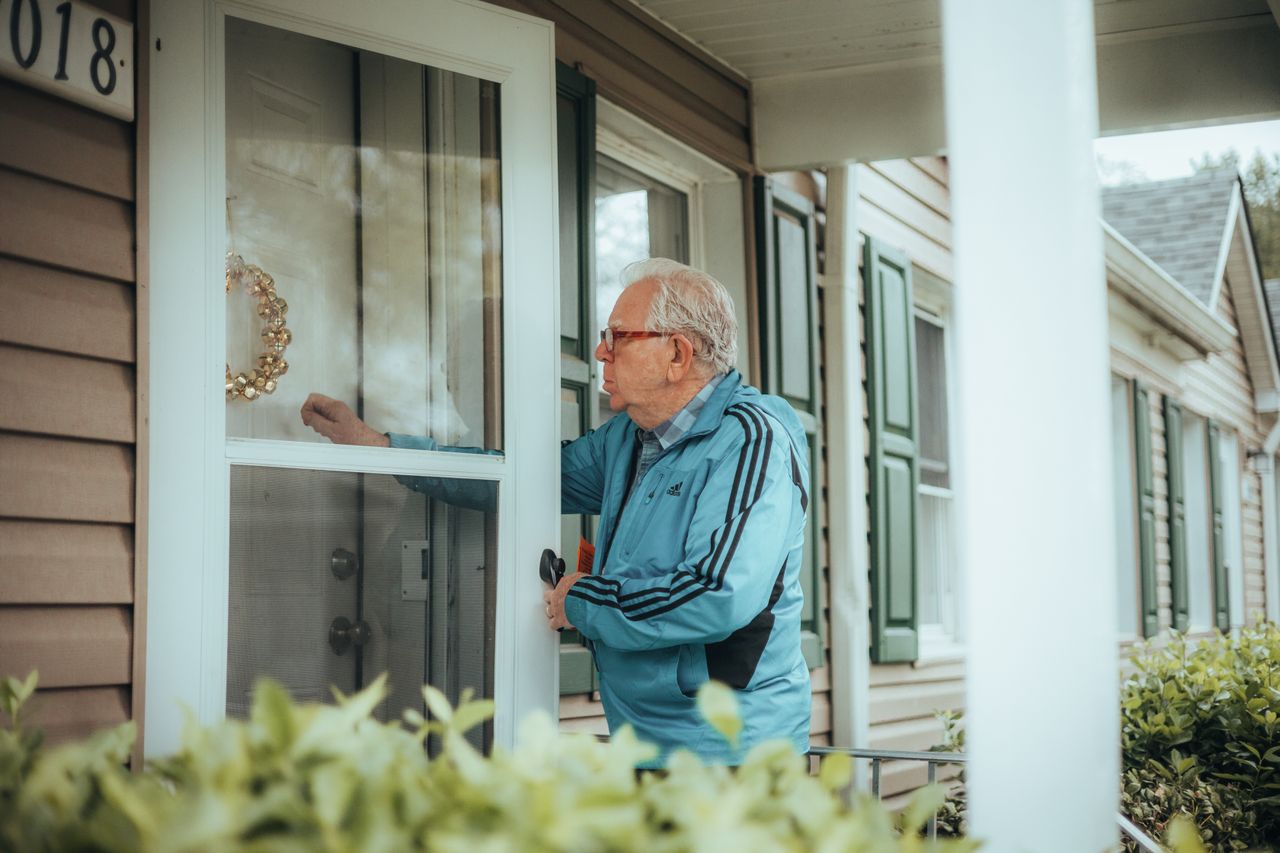
When these procedures are explained in advance, routine visits become far less stressful because neither party is left wondering what to expect.
Include Everyday Rules That Protect Everyone
Every property operates a little differently. A downtown condominium may need policies about shared amenities and package deliveries. A suburban single-family home may require rules regarding trash collection, lawn maintenance, or parking.
Rather than relying on verbal instructions, include these expectations directly in the lease.
Common topics include:
- Noise expectations
- Smoking restrictions
- Parking assignments
- Garbage disposal
- Use of common areas
- Home businesses
- Illegal activities
If pets are allowed(opens in new tab), explain the conditions clearly instead of simply stating “pets permitted.”
For instance, specify whether there are limits on the number of animals, vaccination requirements, cleanup responsibilities, or restrictions for certain areas of the property.
Well-defined pet policies help responsible owners enjoy their animals while protecting the property from avoidable damage.
Describe What Happens When Circumstances Change
Life rarely follows a perfect schedule. A tenant may relocate for work, buy a home, or experience changing family needs. Meanwhile, a landlord’s investment goals may shift, making future leasing decisions difficult to predict.
Rather than waiting until these situations occur, the rental agreement should explain the available options.
Include information about:
- Lease expiration
- Renewal procedures
- Required notice before moving out
- Early termination conditions
- Key return and final inspections
Providing a roadmap for the end of the tenancy often makes the transition much smoother for everyone involved.
Handle Security Deposits With Complete Transparency
Few topics create more questions than security deposits. Instead of relying on broad language, explain exactly why the deposit is collected, how it may be used, and what happens after move-out.
Many owners also benefit from documenting property conditions before move-in using photographs and a written inspection checklist signed by both parties.
For example, if a hardwood floor already has several scratches before occupancy, documenting them helps prevent unnecessary disputes after the tenant leaves.
Because deposit regulations differ by state, owners should also ensure their agreements comply with all applicable local requirements regarding allowable deductions, notices, and return deadlines.
Remember That Laws Change
Rental agreements should never remain untouched for years. Note that housing regulations evolve, disclosure requirements change, and new local ordinances may affect how certain lease provisions must be written.
Reviewing lease documents periodically helps ensure they remain enforceable and aligned with current landlord-tenant laws(opens in new tab), fair housing requirements, and local regulations.
Using outdated forms simply because they have “worked before” can create unnecessary legal exposure.
The Bottom Line
A rental agreement shapes the entire landlord-tenant relationship. It sets expectations before move-in, provides guidance throughout the lease, and gives both parties a reliable reference when questions arise.
A well-written agreement reduces misunderstandings, promotes consistency, and helps protect your investment.
For even greater peace of mind, partner with a professional property management team to prepare compliant lease agreements, oversee tenant communication, coordinate maintenance, and keep your rental operating smoothly for long-term success. Contact Gregory Property Management today to get started.
Frequently Asked Questions
How Often Should Landlords Review and Update Their Rental Agreement?
Landlords should review their rental agreement before each new lease or renewal to ensure it reflects current laws, property policies, and operational needs. Even if the agreement has worked well in the past, state and local regulations can change over time.
Reviewing lease language periodically also gives owners an opportunity to clarify recurring questions, update property rules, and address new situations that may arise. When significant legal changes occur, consulting a qualified real estate attorney or local housing professional may be appropriate.
What Steps Should Landlords Take Before Signing a Lease With a New Tenant?
Before signing a lease, landlords should confirm that all lease terms are complete, verify that every adult occupant who will be legally responsible is included on the agreement, and document the property’s condition with photos and a move-in checklist.
Owners should also review important policies with the tenant, answer questions about maintenance requests or rent payments, and ensure both parties receive signed copies of the agreement. Taking time to explain expectations upfront can help reduce confusion after move-in.
What Should Be Included in a Move-In Documentation Checklist?
A thorough move-in checklist typically includes the condition of floors, walls, ceilings, windows, appliances, plumbing fixtures, lighting, smoke and carbon monoxide detectors, HVAC systems, landscaping, garage areas, and any included amenities. Photographs or videos taken during the inspection can provide additional documentation for both parties.
Both the landlord and tenant should review the checklist together whenever possible and retain signed copies for future reference. Clear documentation establishes a shared understanding of the property’s condition at the start of the tenancy.
How Can Landlords Avoid Common Lease Agreement Mistakes?
Many lease-related problems begin with vague language or missing information rather than intentional misconduct. Landlords can reduce risk by using clear, consistent wording, avoiding contradictory provisions, and ensuring important topics such as maintenance responsibilities, payment procedures, occupancy limits, and property rules are fully addressed.
It is also important to keep lease documents organized and avoid relying solely on verbal agreements. When questions arise about legal compliance, professional guidance may help ensure lease documents remain appropriate for current regulations.
Can Landlords Add New Rules After a Lease Has Been Signed?
Whether new rules can be introduced during an active lease generally depends on the lease terms and applicable state or local laws. In many cases, significant changes cannot simply be imposed mid-lease without following the appropriate legal process or obtaining tenant agreement.
If operational needs change, landlords often address updated policies during lease renewal or through legally appropriate amendments. Owners should review applicable requirements before modifying lease terms.
Should Landlords Use the Same Lease Agreement for Every Rental Property?
While many core lease provisions remain consistent, a single lease template may not suit every property. Different rentals can have unique features, such as parking arrangements, homeowner association rules, shared amenities, utility responsibilities, or maintenance obligations that should be addressed individually.
Customizing property-specific sections while maintaining consistent legal language can help create clearer expectations for tenants and better reflect the realities of each rental property.